Migrating Applications to the AWS Cloud

With Amazon Web Services (AWS), you can provision compute power, storage and other resources, gaining access to a suite of elastic IT infrastructure services as your business demands them. With minimal cost and effort, you can move your application to the AWS cloud and reduce capital expenses, minimize support and administrative costs, and retain the performance, security, and reliability requirements your business demands.

One of the key differentiators of AWS’ infrastructure services is its flexibility. It gives businesses the freedom of choice to choose the programming models, languages, operating systems and databases they are already using or familiar with. As a result, many organizations are moving existing applications to the cloud today.

A successful migration largely depends on three things:

  1. The complexity of the application architecture;
  2. How loosely coupled your application is; and
  3. How much effort you are willing to put into migration.
Read more

Why Cloud Security is still a Challenge!!

For many enterprises, moving business processes and data to the cloud has become a next step for improving both operational and technological capabilities. The cost savings and efficiencies created by utilizing cloud applications continue to increase, including opportunities for more business functions to be put on the cloud.

Even though the cloud continues to grow in popularity and respectability, complications with data privacy and data protection still cause alot of reluctance amongst most business leaders.

The Various Challenges of Cloud Security are:

Data Protection:

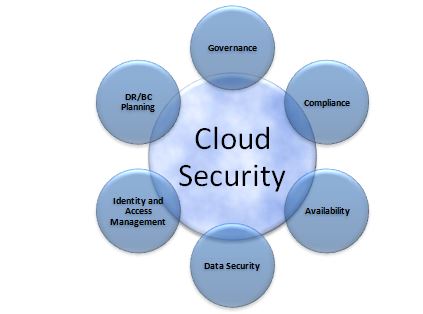
The main challenges of cloud security begin when enterprises need to keep full control of their data to ensure it’s kept private and protected. Whether it is outsourced data storage or the use of popular cloud SaaS applications, putting more data in the cloud inherently means more opportunity for unwanted or unauthorized access to that information. But cloud adoption by the enterprise is simply too compelling because of its business benefits, so enterprise Security and IT teams have to search for ways to secure their data in the cloud while permitting access and use by legitimate corporate users.

Cloud Security Read more

14 Days to go!! Windows Server 2003 End of Support – Transform your data center with Sysfore

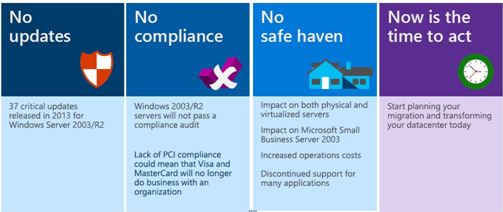
July 14, 2015 marks a transition, which is the end of Microsoft’s support for Windows Server 2003/R2. This means you need to ensure your business has a plan to migrate the applications and workloads that are currently relying on Windows Server 2003 onto Windows Server 2012 R2 or Microsoft Azure.

Sysfore as a Microsoft partner assists you to flawlessly migrate and transform your data center with its Free Assessment process.

Why now:

Today, Windows Server 2003 is in the extended support phase, which offers a continuation of certain mainstream support items such as paid per-incident support, security updates, and ongoing use of the Microsoft Knowledge Base.

Once extended support expires on July 14, 2015, all these support activities will be eliminated. Microsoft does offer for-fee custom contracts — which extend for a limited period beyond the termination of extended support — to customers that are actively working to migrate to a next generation product. This option is intended only for organizations that are making a proactive effort to migrate off the product being supported beyond its normal life cycle.

Windows Server 2003- What end of Support means:

End of support for Windows Server 2003/R2 can have a dramatic impact on your business. It will mean no more updates or patches from Microsoft, which can result in a less stable and less secure infrastructure for your organization.

eos

Read more