
Demonstrating its commitment to delivering trusted cloud services that enable people and organizations around the world to achieve more, Microsoft announced the availability of Microsoft Azure Services via local datacenter regions in India.
As the first public cloud provider from India, Microsoft has opened three new regions: Central India in Pune, South India in Chennai, and West India in Mumbai. Governments, large businesses, small and medium businesses (SMBs) and citizens can use the massive computing power now available locally to fuel India’s inclusive growth, spur innovation and accelerate digital transformation.
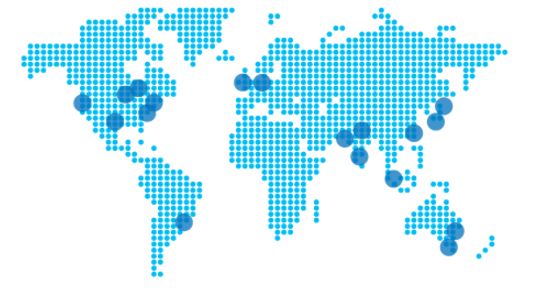
Having the Microsoft Cloud in India will transform the way computing is done in the country. The hyper-scale cloud will empower governments, businesses and users and offer enough computing power that will support all their existing workloads. Built on foundation principles of security, privacy, control, compliance and transparency, Microsoft Cloud Services are designed to enable individuals and organizations to achieve more.
Millions of users in India are already using Microsoft Cloud Services leading to the cloud business growing by more than 100 percent year-on-year over the past two years. With the local cloud services, regulated industries such as BFSI, government departments and state-owned enterprises will now be able to leverage public cloud services and be able to take advantage of local data residency. In addition, businesses that deal with large amounts of data will benefit from data replication in multiple regions within India for backup and recovery, reduced network distance, lower latency and the option of a private connection to the cloud.